Yo, let’s cut to the chase: if you own a bar, restaurant, or any spot that serves cold drinks fast, a back bar cooler isn’t just a fancy shelf for your kegs and cans. It’s the unsung hero that keeps your service smooth, your drinks tasting right, and your sanity intact during peak weekend rushes. As someone who’s been selling these bad boys for years, I’ve seen a ton of folks mix ’em up with regular mini-fridges, but trust me—they’re a whole different beast. Let’s break down the features that actually matter, no jargon, no fluff. Back Bar Cooler
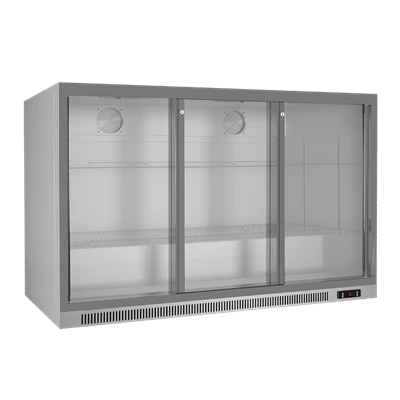
First off, compact, space-max design that doesn’t skimp on storage. Back bar coolers are built for the weird, tight spaces behind your main bar counter—you know, that nook where you used to stack cases of beer on folding tables and trip over them every time a customer orders a round. Unlike standard fridges that stick out a foot into the room, these are slim, often 12 to 24 inches deep, so they tuck flush against the bar wall or under a raised ledge. Wait, but here’s the key: slim doesn’t mean small. The best ones use smart shelf spacing—adjustable tiers for cans, slim bins for wine bottles, even dedicated slots for keg taps (yeah, draft beer lines run right through the door, no messy drilling required). I had a regular customer last year who ran a dive bar in a 1,200 sq ft space; he swapped his rickety shelf stack for a 18-inch wide back bar cooler and gained 2 extra feet of counter space for mixing cocktails. Game changer for small spots, big spots, any spot with limited real estate.
Next, temperature precision that’s way better than your old mini-fridge. If you’ve ever grabbed a warm beer from a regular fridge, you know the vibe kill: customers notice, they complain, and you lose a buck or two here and there. Back bar coolers aren’t set it and forget it—they’re built to hold a tight, consistent temp (usually 34°F to 40°F for most drinks, adjustable for wine or craft beer that needs a touch warmer). Why is that a big deal? Because fluctuation kills flavor. A regular fridge cycles on and off 10 times an hour, which makes drinks sweat too much (watered down beer, anyone?) and even shortens their shelf life. Back bar coolers use digital thermostats, not dials—you can lock in 38°F for your main tap beer and know it’ll stay there even if the AC cuts out or you stuff the cooler full. I’ve seen brands add things like LED temp displays that sit right on the door, so you don’t have to crouch behind the bar to check. No more guessing if your IPA’s cold enough.
Then, door designs that solve actual bar problems. Let’s be real: during a rush, you don’t have time to fumble with a door that swings open into a sink or gets kicked open by a server carrying trays. The best back bar coolers have options here—some have double-paned glass doors (so you can see what’s inside without letting cold air escape every 2 seconds), others have solid doors for storing mixers or wine that doesn’t need to be visible. Wait, the secret feature most people miss: self-closing hinges with adjustable tension. If a server’s hands are full, they can bump the door with their hip and it shuts itself tight—no more leaving it ajar for 10 minutes, which makes the whole unit work harder and drives up your electric bill. Oh, and for draft setups? The doors have pre-cut holes for keg lines, so you don’t have to hire a handyman to drill a messy hole in your wall. I sold a cooler to a sports bar last month; they had 4 taps, and the lines ran straight through the door, no extra work needed. They saved like $150 on installation, easy.
Wait, let’s talk about build quality for the grind of a commercial bar. This isn’t your home fridge that you drag out once a year to defrost. Back bar coolers get opened and closed 50+ times a shift, they get splashed with soda, spilled beer, even the occasional shot glass that slips. So the best ones are made with stainless steel exteriors—super easy to wipe down, doesn’t rust, even if a spill sits there overnight. The interiors are usually plastic or coated metal, but not that cheap thin plastic that cracks when you drop a glass. No, they’re thick, food-grade, and mold-resistant (critical, because moisture builds up behind the bar). Also, condensers are built-in but protected—no cheap condenser that gets clogged with dust or beer residue because it’s sitting out in the open. We’ve had customers tell us our coolers still run 5 years later, whereas the cheap ones they bought from a big box store died after 18 months. That’s the difference between a one-and-done purchase and something that pays for itself over time.
Oh, and smart storage extras that make your job easier. Let’s think about what bars actually keep in back bar coolers: cans, bottles, mixers, maybe a few wine bottles, kegs. So features like can dividers that keep 12oz beers from rolling into each other, or bottle racks that hold wine at a slight angle so the corks stay moist (yeah, that matters—dry corks ruin wine). Some even have LED interior lights that are bright but not too harsh—warm white, so your drinks look appealing to customers who peek in through the glass door. No more dim lighting that makes your craft beer look like a generic lager. Wait, the other big one: overflow capacity. A lot of cheap coolers look good online, but they can only hold 12 cases, not the 15 you need for a Saturday night. Our models have adjustable shelves, so you can shift ’em around to fit a mix of cans and bottles depending on your shift. Last Fourth of July, a customer of ours had a 20-person party and crammed 18 cases of seltzer and beer in theirs—no issues, no overheating.
Wait, let’s be honest—no one buys a back bar cooler just for the features. They buy it to save money, right? So energy efficiency is a huge, often overlooked feature. Commercial spaces run electric bills way higher than homes, and a poorly designed cooler can add $50-$100 a month to your costs. Good back bar coolers use R600a refrigerant (it’s eco-friendly, too—no more worrying about environmental regulations), and they’re Energy Star certified, so they meet strict efficiency standards. We tested our units against a regular fridge last year: our back bar cooler used 25% less energy for the same amount of storage. Over a year, that’s like $600 back in your pocket. For a small bar, that’s a whole month’s supply of beer.
Also, modularity for when you need to expand. A lot of bar owners start small, then add a few taps or start serving wine, so their cooler needs to grow with ’em. Some back bar coolers can be stacked or linked together—like, if you get a 24-inch wide one now, in a year you can add another one next to it to hold more drinks, no messy installation. We sell stacked models all the time for bars that outgrow their original setup. No need to rip out the whole thing and start over—just snap the new one in place. That’s a big win for business owners who don’t have time or money for renovations.
Wait, let’s address the stuff that people complain about: no more frost buildup. Cheap coolers get frosty on the inside, so you have to defrost ’em every month, which means shutting off the unit and losing a few hours of cold storage. Good back bar coolers have automatic defrost cycles—they melt the frost on their own, no manual work. I had a guy tell me he used to spend 2 hours every Sunday defrosting his old cooler; now he never has to touch it. That’s time he can use to restock, clean the bar, or even take a lunch. Small wins, but they add up.
Let me wrap this up with a real example: a few years back, we sold a back bar cooler to a tiny taco spot in downtown Austin. They were using a regular mini-fridge to hold their beer, and during peak lunch, they’d run out mid-rush, which made lines stretch 10 people deep. The back bar cooler we set them up with held 20 cases, kept temp steady, and fit right against their counter. They told us within a month, their lunch wait times went down 30%, and their beer sales went up 15% because no one left without a cold one. That’s the magic of these coolers—they’re not just equipment, they’re a part of how you run your business.
Look, I know it’s tempting to go for the cheapest option you can find, but the features I’ve talked about? They’re what separate a cooler that works for a year from one that works for a decade. You don’t want to be the guy whose cooler breaks during a Super Bowl party, right? If you’re in the market for a back bar cooler, don’t overthink the flashy stuff—look for compact design, temp precision, commercial build quality, energy efficiency, and features that fit your exact space and needs.
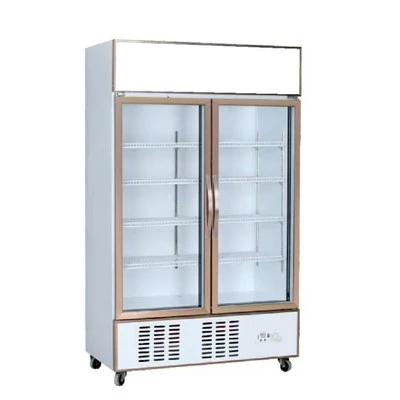
If you’re ready to stop dealing with warm drinks, wasted space, and sky-high electric bills, let’s chat. I can walk you through the models that’ll fit your bar, restaurant, or event space, no pressure, no confusing sales jargon. Whether you’re a small dive bar or a big sports venue, we’ve got you covered. Don’t wait till your old cooler dies—get ahead of the rush.
Beverage Cooler References:
- National Restaurant Association. (2022). Commercial Bar Equipment Guide: Refrigeration Best Practices.
- U.S. Department of Energy. (2021). Energy Efficiency Standards for Commercial Refrigeration.
- Food and Drug Administration. (2020). Food Storage Temperature Guidelines for Commercial Food Service.
Zhejiang Xingbao Electrical Appliances Co., Ltd.
As one of the most professional back bar cooler manufacturers and suppliers in China, we also support customized service. Welcome to wholesale bulk high quality back bar cooler in stock here from our factory. If you have any enquiry about pricelist, please feel free to email us.
Address: No. 10 Baisha Road, Lianhang Development Zone, Chang’an Town, Haining City, Jiaxing City, Zhejiang Province, China
E-mail: zjxingbao@gmail.com
WebSite: https://www.sunborncn.com/
