Ducted fume hoods are essential equipment in laboratories and industrial settings, designed to protect users from harmful fumes, vapors, and particulate matter. As a leading supplier of ducted fume hoods, I understand the importance of providing a comprehensive range of accessories to enhance the functionality, safety, and efficiency of these critical systems. In this blog post, I will explore the various accessories available for ducted fume hoods, highlighting their features, benefits, and applications. Ducted Fume Hoods

Airflow Control Devices
One of the most critical aspects of a ducted fume hood is maintaining proper airflow to ensure the effective capture and removal of contaminants. Airflow control devices play a crucial role in achieving this goal by regulating the volume and velocity of air entering and exiting the fume hood.
- Variable Air Volume (VAV) Dampers: VAV dampers are designed to adjust the airflow rate based on the sash position and the specific requirements of the experiment or process. By automatically modulating the airflow, VAV dampers help to maintain a constant face velocity, ensuring optimal containment of fumes and reducing energy consumption.
- Airflow Monitors: Airflow monitors provide real-time feedback on the airflow rate and face velocity of the fume hood. These devices typically feature a digital display or an alarm system to alert users if the airflow falls below the recommended levels. By continuously monitoring the airflow, users can ensure the safe operation of the fume hood and prevent potential exposure to hazardous substances.
- Sash Position Sensors: Sash position sensors are used to detect the position of the fume hood sash and adjust the airflow accordingly. When the sash is fully open, the airflow rate is increased to maintain a consistent face velocity. Conversely, when the sash is partially or fully closed, the airflow rate is reduced to conserve energy. Sash position sensors help to optimize the performance of the fume hood and ensure the safety of users.
Filtration Systems
Filtration systems are an essential component of ducted fume hoods, as they help to remove harmful contaminants from the air before it is discharged into the environment. There are several types of filtration systems available, each designed to target specific types of pollutants.
- HEPA Filters: High-Efficiency Particulate Air (HEPA) filters are capable of capturing 99.97% of particles that are 0.3 microns or larger in size. These filters are commonly used in fume hoods to remove particulate matter, such as dust, pollen, and microorganisms. HEPA filters are highly effective and can significantly improve the air quality inside the laboratory or industrial facility.
- Activated Carbon Filters: Activated carbon filters are designed to adsorb gaseous pollutants, such as volatile organic compounds (VOCs), odors, and chemicals. These filters contain a porous carbon material that has a large surface area, allowing it to trap and retain a wide range of contaminants. Activated carbon filters are commonly used in fume hoods to remove odors and harmful gases, providing a safer and more comfortable working environment.
- Combination Filters: Combination filters combine the features of HEPA filters and activated carbon filters, providing comprehensive protection against both particulate matter and gaseous pollutants. These filters are ideal for applications where a high level of air purification is required, such as in pharmaceutical laboratories, cleanrooms, and semiconductor manufacturing facilities.
Lighting Systems
Proper lighting is essential in a ducted fume hood to ensure visibility and safety during experiments and procedures. Lighting systems can also enhance the overall functionality and aesthetics of the fume hood.
- LED Lights: Light Emitting Diode (LED) lights are a popular choice for fume hood lighting due to their energy efficiency, long lifespan, and high-quality illumination. LED lights produce a bright, white light that is evenly distributed across the work surface, reducing shadows and glare. They also generate less heat than traditional incandescent or fluorescent lights, which can help to maintain a comfortable working environment inside the fume hood.
- Task Lighting: Task lighting is designed to provide focused illumination on specific areas of the work surface. This type of lighting is particularly useful for detailed tasks, such as pipetting, microscopy, and sample preparation. Task lighting can be installed on the interior or exterior of the fume hood, depending on the specific requirements of the application.
- Emergency Lighting: Emergency lighting is a critical safety feature in a ducted fume hood, as it provides illumination in the event of a power outage or emergency situation. Emergency lighting systems typically consist of battery-powered lights that are activated automatically when the main power supply fails. These lights ensure that users can safely exit the fume hood and the laboratory or industrial facility in case of an emergency.
Work Surfaces and Liners
Work surfaces and liners are an important part of a ducted fume hood, as they provide a stable and chemical-resistant surface for conducting experiments and procedures. They also help to protect the fume hood from damage and contamination.
- Chemical-Resistant Work Surfaces: Chemical-resistant work surfaces are typically made of materials such as epoxy resin, stainless steel, or polypropylene. These materials are resistant to a wide range of chemicals, acids, and solvents, making them ideal for use in laboratories and industrial settings where chemical spills and splashes are common. Chemical-resistant work surfaces are easy to clean and maintain, ensuring a hygienic working environment.
- Liner Panels: Liner panels are installed on the interior walls and floor of the fume hood to provide additional protection against chemical spills and splashes. These panels are typically made of materials such as polypropylene or PVC, which are resistant to corrosion and chemical damage. Liner panels are easy to install and replace, allowing for quick and cost-effective maintenance of the fume hood.
- Spill Containment Systems: Spill containment systems are designed to prevent chemical spills from spreading outside the fume hood and causing damage to the laboratory or industrial facility. These systems typically consist of a raised lip or channel around the perimeter of the work surface, as well as a drain or sump to collect and contain any spills. Spill containment systems are an essential safety feature in a ducted fume hood, helping to protect users and the environment from hazardous chemicals.
Electrical and Plumbing Accessories
Electrical and plumbing accessories are essential for the proper operation of a ducted fume hood. These accessories provide power, water, and other utilities to the fume hood, allowing users to conduct experiments and procedures safely and efficiently.
- Electrical Outlets and Switches: Electrical outlets and switches are installed inside the fume hood to provide power to electrical equipment, such as stirrers, hot plates, and microscopes. These outlets and switches are typically located on the interior walls of the fume hood and are designed to be resistant to moisture and chemical damage.
- Water and Gas Valves: Water and gas valves are installed inside the fume hood to provide a supply of water and gas to the work surface. These valves are typically located on the interior walls of the fume hood and are designed to be easily accessible and adjustable. Water and gas valves are essential for conducting experiments and procedures that require the use of water or gas.
- Drainage Systems: Drainage systems are installed inside the fume hood to remove liquids and waste from the work surface. These systems typically consist of a drain or sump, as well as a piping system to carry the liquids and waste to a collection point outside the fume hood. Drainage systems are essential for maintaining a clean and hygienic working environment inside the fume hood.
Safety Accessories
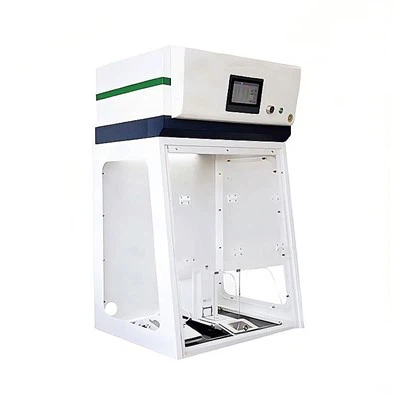
Safety is the top priority when working with ducted fume hoods. There are several safety accessories available to enhance the protection of users and the environment.
- Sash Alarm Systems: Sash alarm systems are designed to alert users if the fume hood sash is left open or ajar, exceeding the recommended operating height. These systems typically feature an audible or visual alarm to remind users to keep the sash at the appropriate level, ensuring optimal containment of fumes and reducing the risk of exposure to hazardous substances.
- Fire Suppression Systems: Fire suppression systems are installed in fume hoods to extinguish fires in case of an emergency. These systems typically consist of a fire extinguisher or a sprinkler system that is activated automatically when a fire is detected. Fire suppression systems are an essential safety feature in a ducted fume hood, helping to protect users and the laboratory or industrial facility from fire hazards.
- Emergency Shut-Off Switches: Emergency shut-off switches are installed inside the fume hood to allow users to quickly shut off the power, water, and gas supplies in case of an emergency. These switches are typically located in a prominent position on the exterior of the fume hood and are designed to be easily accessible and operable. Emergency shut-off switches are an essential safety feature in a ducted fume hood, helping to prevent potential accidents and injuries.
Conclusion
Biosafety Cabinet In conclusion, there is a wide range of accessories available for ducted fume hoods, each designed to enhance the functionality, safety, and efficiency of these critical systems. From airflow control devices and filtration systems to lighting systems and safety accessories, these accessories play a crucial role in ensuring the proper operation and performance of ducted fume hoods. As a ducted fume hoods supplier, I am committed to providing high-quality accessories that meet the specific needs and requirements of our customers. If you are interested in learning more about our products or have any questions about ducted fume hood accessories, please feel free to contact us. We are happy to help you find the right solutions for your laboratory or industrial application.
References
- American National Standards Institute (ANSI). (2016). ANSI/AIHA Z9.5-2012: Laboratory Ventilation.
- Occupational Safety and Health Administration (OSHA). (2019). Occupational Exposure to Hazardous Chemicals in Laboratories, 29 CFR 1910.1450.
- National Fire Protection Association (NFPA). (2018). NFPA 45: Standard on Fire Protection for Laboratories Using Chemicals.
HAMECC(Shanghai) Lab Solutions Co., Ltd.
We’re well-known as one of the leading ducted fume hoods manufacturers and suppliers in China, featured by quality products and good price. Please rest assured to buy customized ducted fume hoods made in China here from our factory.
Address: Building 1, No. 2222, Huancheng Road, Jiading District, Shanghai
E-mail: info@hamecc.com
WebSite: https://www.hamecc.com/
