As a dedicated supplier of Flame Retardant Gloves, the question of whether these gloves can protect against molten metal splashes is one that I’m frequently asked, and it’s a topic that combines both technical expertise and practical safety concerns. In this blog, I’ll delve into the science behind flame retardant gloves, examine their performance against molten metal splashes, and share insights based on my experience in the industry. Flame Retardant Gloves
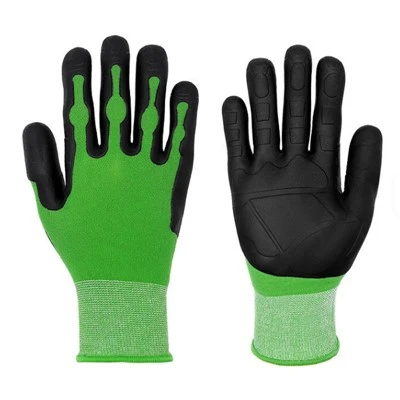
Understanding Flame Retardant Gloves
Flame retardant gloves are designed to provide protection in environments where there is a risk of exposure to fire, heat, and flames. These gloves are made from materials that have been treated or engineered to resist ignition, self – extinguish if ignited, and minimize the spread of fire. Common materials used in the production of flame retardant gloves include aramid fibers, such as Nomex and Kevlar, which are known for their high heat resistance and strength.
The key property of these materials is their ability to endure high temperatures without melting or dripping, which can cause severe burns. Flame retardant gloves also often feature additional layers or coatings to enhance their performance, such as leather palms for improved grip and abrasion resistance, or aluminized outer layers for reflective heat protection.
Molten Metal Splashes: A Hazardous Challenge
Molten metal splashes are a significant hazard in many industrial settings, including foundries, welding shops, and metalworking facilities. When metal is heated to its molten state, it can reach extremely high temperatures, often well over 1000°C (1832°F). A single splash of molten metal can cause instantaneous and severe burns, leading to long – term injury and lost productivity.
The energy transferred from a molten metal splash to the skin is a combination of conductive heat (from direct contact with the hot metal) and radiative heat (from the intense heat of the molten mass). The severity of the burn depends on factors such as the type of metal, its temperature, the size of the splash, and the duration of contact with the skin.
Can Flame Retardant Gloves Protect Against Molten Metal Splashes?
The short answer is that it depends. While flame retardant gloves offer some level of protection against molten metal splashes, their effectiveness is influenced by several factors:
1. Material Composition
As mentioned earlier, aramid – based materials used in flame retardant gloves have excellent heat resistance. However, they may not be sufficient on their own to withstand the extreme temperatures of molten metal. Aluminized flame retardant gloves, on the other hand, offer better reflective properties, which can help deflect some of the radiative heat from a molten metal splash. The aluminum coating reflects a significant portion of the heat energy away from the glove, reducing the amount of heat transferred to the wearer’s hand.
2. Thickness and Layers
Thicker gloves generally provide more insulation and protection against heat. Gloves with multiple layers can create a barrier that slows down the transfer of heat to the skin. For example, a glove with an outer layer of aluminized fabric, a middle layer of thermal insulation, and an inner layer of soft lining can offer better protection compared to a single – layer glove. However, it’s important to note that thicker gloves may also reduce dexterity, which could be a concern in tasks that require fine motor skills.
3. Design and Construction
The design of the glove also plays a crucial role in its ability to protect against molten metal splashes. Gloves with a snug fit and well – sealed cuffs can prevent molten metal from seeping inside the glove. Additionally, gloves with reinforced fingertips and palms are more resistant to abrasion and puncture, which can occur when a molten metal splash hits the glove.
4. Duration of Exposure
Flame retardant gloves are designed to provide short – term protection against heat and flames. In the case of molten metal splashes, they can offer some protection during brief encounters. However, prolonged exposure to molten metal can eventually overwhelm the glove’s protective capabilities. For example, if a large amount of molten metal were to pool on the glove, the heat could gradually penetrate the layers and reach the skin.
Testing and Certification
To ensure the quality and performance of flame retardant gloves against molten metal splashes, various testing standards and certifications exist. For example, the EN 407 standard in Europe specifies requirements for gloves designed to protect against heat and flames, including resistance to molten metal splashes. Gloves that meet this standard have undergone rigorous testing, which includes exposing the glove to molten metal droplets and measuring the heat transfer through the glove material.
In the United States, the ASTM F1930 standard provides a method for evaluating the protective performance of clothing and gloves against simulated flash fires and molten metal splashes. Gloves that are certified to meet these standards have been proven to offer a certain level of protection, but it’s still important for users to understand the limitations of the certification and the specific requirements of their work environment.
Practical Considerations
When choosing flame retardant gloves for protection against molten metal splashes, it’s essential to consider the specific needs of the job. Here are some practical tips:
- Understand the Hazard: Determine the type of molten metal, its temperature, and the frequency and size of potential splashes in your work environment. This information will help you select the most appropriate gloves.
- Balance Protection and Dexterity: While maximum protection is important, you also need to be able to perform your tasks effectively. Choose gloves that offer a good balance between protection and dexterity.
- Proper Fit: Ensure that the gloves fit properly. Ill – fitting gloves can reduce dexterity and increase the risk of molten metal getting inside the glove.
- Regular Inspection and Replacement: Inspect your gloves regularly for signs of wear, damage, or degradation. Replace them if they are no longer in good condition.
Conclusion

In summary, flame retardant gloves can provide a certain level of protection against molten metal splashes, but their effectiveness depends on a variety of factors, including material composition, thickness, design, and duration of exposure. By understanding these factors and choosing the right gloves for the job, workers can significantly reduce the risk of injury from molten metal splashes.
Cut-resistant Gloves As a supplier of Flame Retardant Gloves, I’m committed to providing high – quality products that meet the safety needs of our customers. If you’re in the market for flame retardant gloves to protect against molten metal splashes, or if you have any questions about our products, I encourage you to reach out. Our team of experts is available to assist you in selecting the most suitable gloves for your specific application. Contact us to start a discussion about your procurement needs and let’s work together to ensure the safety of your workforce.
References
- ASTM F1930 – Standard Test Method for Evaluation of Flame Resistant Clothing for Protection Against Flash Fire Simulations Using an Instrumented Manikin
- EN 407:2004 Protective gloves against heat and flame
Shanghai Haokuo Security Technology Co., Ltd.
Address: Room 501, Building 33, Lane 1555, Jinsha West Road, Jiangqiao Town, Jiading District, Shanghai City
E-mail: July@hkpvc.com
WebSite: https://www.hkglove.com/
