Hey there! As a supplier of geotechnical drilling tools, I’ve been in the thick of the industry for quite some time. I’ve seen firsthand how proper training can make or break a drilling operation. So, I thought I’d share my insights on what kind of training is needed to operate geotechnical drilling tools effectively. Geotechnical Drilling Tools
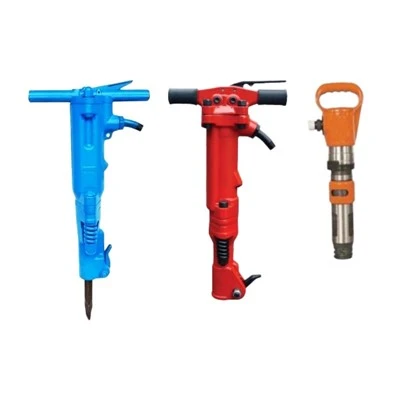
Let’s start with the basics. Before anyone even touches a drilling tool, they need to have a solid understanding of geotechnical engineering principles. This includes knowledge of soil mechanics, rock properties, and subsurface conditions. Why? Well, different types of soil and rock require different drilling techniques and tools. For instance, drilling through clay is a lot different from drilling through hard rock. If you don’t understand the properties of the material you’re drilling into, you’re likely to run into problems like getting the drill stuck or not getting accurate data.
There are some great courses out there, both online and in – person, that cover geotechnical engineering. Community colleges and technical schools often offer programs in this area. Some universities also have specialized courses. Taking these courses can give operators a good foundation to build on.
Once the theoretical knowledge is in place, it’s time to move on to hands – on tool training. Every drilling tool has its own set of features and functions. For example, there are different types of drill bits like drag bits, roller cone bits, and diamond bits. Each one is designed for specific drilling conditions. Operators need to know when to use which bit and how to properly install and maintain them.
Training on tool operation also includes learning about the drilling rig itself. The rig is the machine that powers the drilling process, and it has a lot of complex components. Operators need to know how to start and stop the rig safely, how to control the drilling speed and pressure, and how to troubleshoot common mechanical issues.
Safety training is non – negotiable. Geotechnical drilling can be a dangerous job. There are risks associated with working with heavy machinery, dealing with high – pressure fluids, and working in potentially unstable ground conditions. Operators need to be trained on how to use personal protective equipment (PPE) like hard hats, safety glasses, and steel – toed boots. They also need to learn about proper rig and tool maintenance to prevent malfunctions that could lead to accidents.
One of the key aspects of safety training is learning about emergency procedures. In the event of a fire, a mechanical failure, or a collapse, operators need to know exactly what to do. This includes knowing how to shut down the rig quickly, how to evacuate the area safely, and how to administer first aid if needed.
Another important type of training is data collection and analysis. In geotechnical drilling, the data collected from the drill holes is crucial. It helps engineers understand the subsurface conditions, which is essential for building projects like buildings, bridges, and dams. Operators need to know how to collect samples correctly, how to measure things like the depth of the drill hole and the strength of the soil or rock, and how to record this data accurately.
After collecting the data, operators should also have a basic understanding of how to analyze it. This doesn’t mean they need to be experts in geotechnical data analysis, but they should be able to spot any obvious issues or anomalies in the data they’ve collected.
Communication training is also something that’s often overlooked but is super important. Operators need to be able to communicate effectively with their team members, supervisors, and other professionals on the job site. They need to be able to report any problems or issues they encounter during the drilling process clearly and promptly. And they also need to understand instructions from their supervisors.
Now, let’s talk about the different ways this training can be delivered. On – the – job training is one of the most effective ways. Having an experienced operator show a new operator the ropes is invaluable. The new operator can learn from the real – life situations and mistakes of the experienced one. But on – the – job training should be complemented with classroom – based training to ensure that all the theoretical aspects are covered.
There are also some great simulation – based training programs available. These programs use virtual reality or computer simulations to mimic real – world drilling scenarios. They allow operators to practice different drilling techniques and deal with various problems without the risk of damaging the equipment or causing an accident in a real – life setting.
As a geotechnical drilling tools supplier, I’ve seen many companies that invest in proper training have much better – performing teams. Their operators are more efficient, make fewer mistakes, and are generally safer. If you’re in the geotechnical drilling business and want to take your operations to the next level, investing in comprehensive training for your operators is a no – brainer.
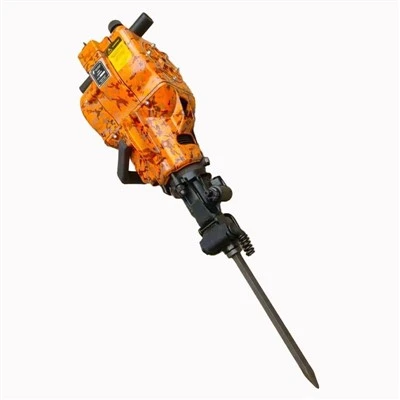
If you’re looking for high – quality geotechnical drilling tools to go along with your well – trained operators, I’d love to talk to you. Our team has years of experience in the industry, and we can provide you with the best tools that suit your specific needs. Whether you’re drilling in soft soil or hard rock, we’ve got the right equipment for you. Don’t hesitate to reach out and start a conversation about your drilling projects. Let’s work together to make your operations more successful.
Button Bit References:
- Principles of Geotechnical Engineering, by Braja M. Das.
- Drilling and Blasting in Mining, edited by Robert K. McGarr.
- Safety in Geotechnical Engineering, a publication by the American Society of Civil Engineers.
Super Rock Machinery Equipment (Qingdao) Co., Ltd.
We are one of the most professional geotechnical drilling tools manufacturers and suppliers in China, featured by quality products and good price. Please feel free to buy advanced geotechnical drilling tools for sale here from our factory. Welcome to view our website for more information.
Address: No. 45, Pengwan Road, Qianwan Bonded Port Area, Qingdao Sub-district, Free Trade Pilot Zone, Shandong China
E-mail: sales@superrocktools.com
WebSite: https://www.superrocktools.com/
