Hey there! I’m Jake, and let’s cut to the chase: if you’ve ever stared at a pile of laundry baskets, yogurt tubs, and random plastic packaging by your kitchen bin going “wait, does this even count as recyclable?” – same. For the last 7 years, I’ve run a small (but scrappy) household plastic items supplier, and let me tell you, I get DMs every single day from customers panicking about what they can toss in recycling and what’s just gonna clog the sorting line. I’ve worked side-by-side with recycling sorters, tested every common plastic type myself, and learned way more than I ever thought possible about why that little number on plastic actually matters. Today, I’m breaking this down like we’re chatting over coffee – no fancy jargon, no confusing rules, just real stuff that works for your home. Household Plastic Items
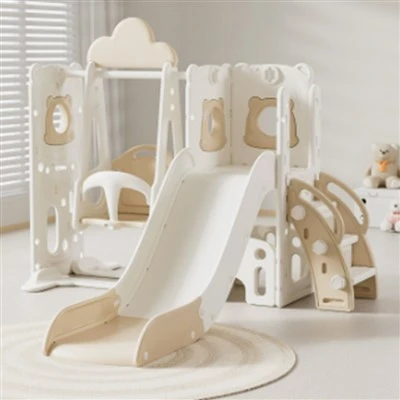
First off, let’s kill a myth right now: not all plastic is equal. That little number you see on the bottom of containers – yeah, that’s not just a random stamp. It tells you what type of polymer the plastic’s made from, and that’s the entire reason sorting works (or doesn’t work). Most local recycling programs only take a handful of these, so mis-sorting is the #1 way your good plastic ends up in a landfill. I’ve seen it happen so many times: a customer sends me a pic of a “recyclable” plastic bin, tosses it in with random stuff, and gets an alert that their whole bin is rejected. Waste of everyone’s time, right?
Let’s go through each number one by one, keep it simple, and I’ll throw in real household examples (since that’s what I sell) so you know exactly what I’m talking about. Starting with the big one: #1 PET or PETE. This is the most commonly recyclable plastic, no question. Think soda bottles, water jugs, the clear plastic containers I sell for storing produce or leftovers. Most curbside programs take this, but here’s a quick rule: rinse ‘em out. Even a tiny splash of soda or yogurt residue makes the whole batch unsellable for recycling plants. I once had a sorter tell me a bin of 50 PET bottles got rejected because one had a leftover glob of peanut butter – sounds petty, but it’s true. Residue messes with the melting process, so yeah, rinse.
Next up: #2 HDPE. This is another super recyclable one, and it’s everywhere in my product line. The opaque plastic milk jugs? The laundry detergent bottles? The storage bins I sell for under-sink organizers or toy storage? All #2. Again, most curbside programs take this, but here’s the catch: lids. I know, I know – so many people yell at me about lids. The rule is: for #2 HDPE, lids are almost always #5 PP, and they’re too small for sorting machines to grab. So what do you do? Two options, easy. Either take the lid off and toss it in the trash (or if you have a special hard plastics bin at your local center, toss it there), or if your program lets you, leave the lid loosely on the jug. Wait, no – tight lids are a no-go, because they fly off in the sorting line and create hazards. Loose, yes, tight, no. Trust me, I’ve asked the sorters about this a hundred times, it’s the easiest middle ground.
Now the ones that trick people: #3 PVC, #4 LDPE, #5 PP, #6 PS, #7 Other. Let’s get these out of the way first, since they’re the ones that cause most mistakes. #3 PVC is the stuff you see in plastic pipes, plastic wrap that’s super stretchy (the kind that tears if you breathe on it), and some shower curtains. Almost no curbside programs take this – it’s hard to recycle, and when mixed with other plastics, it ruins the whole batch. So unless your local recycling center explicitly takes PVC, toss it.
#4 LDPE is the stretchy stuff: grocery bags, bread bags, produce bags, the thin plastic wrap. This is a big one because curbside almost never takes it – it gets tangled in the sorting machines and causes huge delays. But wait, you don’t have to toss it! Most grocery stores (like Kroger, Target, Walmart, whatever is near you) have those big plastic bag bins by the entrance. Toss all your LDPE there, and they’ll take it to be recycled into things like new plastic bags or even deck boards. That’s way better than landfilling.
#5 PP is polypropylene, and this is where a lot of my customers get confused. This is the stuff in yogurt tubs, medicine bottles, the plastic lids that fit tight on food containers, and some of the storage containers I sell. Good news: more and more curbside programs are starting to accept #5 now, but it’s not universal. How do you check? Google “[your city] recycling rules plastic #5” – that’s it. 10 seconds, no effort. If your program doesn’t take it, again, most recycling centers have a hard plastic bin, or you can mail it to places like TerraCycle if that’s easier. Just don’t toss it in with your PET or HDPE, because it’s not the same plastic and messes with the melt.
#6 PS is polystyrene – that’s Styrofoam, the takeout clamshells, the foam packaging peanuts. This is almost never accepted in curbside bins. The only exception is if it’s clean, rigid Styrofoam (like the big blocks your TV comes in), and even then, it’s hit or miss. Takeout clamshells? I’ve asked every sorter I know, they all say same: greasy residue ruins it, it’s too light, almost no one takes it. The only good use for that is reusing it for packing materials, or finding a local place that accepts Styrofoam for recycling – don’t just toss it, it takes forever to break down.
And #7 Other is the catch-all for everything else – weird plastic, like 3D printing filament, sunglasses frames, some water bottles. Unless it says it’s recyclable on the label, just toss this, it’s not worth the headache.
Now, here’s the part no one tells you: pre-sorting at home actually makes a huge difference, even if you’re not a “zero waste guru.” I run through this simple system every time I unpack my own groceries, and it takes 2 minutes. First, sort your big, obvious ones: #1 and #2 go in a “rinsed plastic” bin under the sink. Any LDPE bags go in a separate “plastic bags” bin by the front door. Then, all the tricky ones (#3, #4, #5, #6, #7) go in a “hard plastics to drop off” bin in the garage. That’s it. No fancy dividers, no labeling everything, just three bins total. When the plastic bags bin is full, I dump it at the grocery store when I run errands. When the rinsed bin is full, I take it to curbside. When the hard plastics bin is full, I drop it off at my local center once a month. Way less stressful than sorting every piece individually, and it’s way easier on the sorters.
Wait, and let’s talk about the mistakes I see the most, because these are the ones that surprise even me. First: lids, like we said, but also plastic film on yogurt cups. Don’t peel that thin foil/plastic liner off and toss it in recycling – it’s #4 LDPE, so it doesn’t get accepted. Toss that liner in the trash, rinse the cup, and the cup is #5 so that’s fine. Another big one: putting plastic wrap in the bin. Even if it says “recyclable plastic wrap,” curbside machines can’t handle it. Those grocery store bins are made for that exact stuff, use them. Also, don’t crush #1 or #2 bottles unless your program says it’s okay. Some programs don’t mind, some prefer you leave them whole – crush them and you might accidentally crush a leftover food container inside, or create small pieces that fall through the sorting screens. Check your local rules, that’s a quick Google.
As a household plastic items supplier, I care a lot about this because I sell plastic stuff that people actually use – I want my products to be recycled, not thrown away. A lot of new brands cut corners and use cheap plastic that’s not even recyclable, but all the stuff I sell is made from the types we talked about today, because I know that’s what people can actually recycle. If you’re buying plastic storage containers, food bins, or any of that stuff, ask your supplier what type of plastic it is – a good one will tell you, and they’ll care about your recycling plan too.
Now, what if your curbside program only takes certain plastics, or you don’t have curbside recycling at all? No problem, here’s a quick hack: find your local recycling center’s website, they almost always have a list of what they accept for drop-off. Or use apps like RecycleCoach or Earth911 – just type in what you have and your zip code, and it’ll tell you exactly where to take it. I use Earth911 all the time when I have odd plastic I need to drop off, it’s way easier than guessing.
And before I wrap this up, let’s get real: recycling isn’t perfect. A lot of plastic does still end up in landfills, but sorting correctly is the single easiest thing you can do to reduce that. Mis-sorting is like showing up to a potluck and bringing broccoli when everyone wants pizza – it ruins it for everyone. But if you follow these simple rules, you’re not just helping the sorters, you’re making sure that the plastic I sell (and most household plastic) gets turned into something new, like a new storage bin or a park bench, instead of sitting in a landfill for 500 years.
If you’re a homeowner, renter, or even a small business owner looking to stock up on recyclable household plastic items, I’d love to chat. I can walk you through the best products for your space, and even help you tweak your sorting system to make it even easier. Shoot me a message, let’s talk.
Plastic Packaging Products References:
- Environmental Protection Agency. (2023). Plastics: Materials and Sustainability. U.S. EPA.
- National Waste & Recycling Association. (2022). Curbside Recycling Best Practices for Plastics. NWRA.
- Earth911. (2024). Plastic Recycling Guidance by Material Type. Earth911 Inc.
- Association of Plastic Recyclers. (2023). Plastic Sorting Guidelines for Households. APR.
Yongkang Shunjiang Plastic Products Co., Ltd.
As one of the most professional household plastic items manufacturers and suppliers in China, we offer a wide range of products with superior quality. Please feel free to wholesale bulk customized household plastic items from our factory. Also, pricelist is available.
Address: Kangzhuang Road, Xicheng Subdistrict, Yongkang City, Zhejiang Province, China
E-mail: 15158911623@163.com
WebSite: https://www.shunjiangplas.com/
