Hey there, fellow bike enthusiasts! I’m here as a bike seatpost supplier to chat about what materials bike seatposts are made of. It’s a topic that might not seem super exciting at first, but trust me, it can make a huge difference in your riding experience. Bike Seatpost
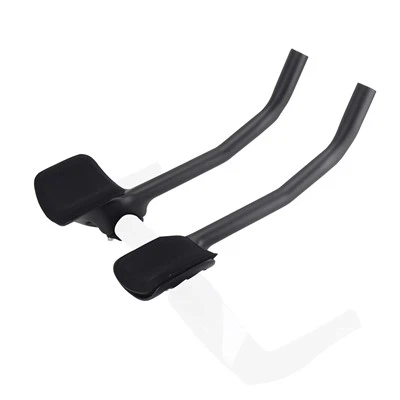
Let’s start with one of the most common materials: aluminum. Aluminum seatposts are everywhere, and for good reasons. First off, they’re lightweight. You don’t want a heavy seatpost weighing down your bike, especially if you’re into racing or just want a more agile ride. Aluminum is also pretty durable. It can handle a fair amount of abuse from bumps and rough terrain without cracking or breaking easily.
The manufacturing process for aluminum seatposts is well – established. They can be extruded into different shapes and sizes, which allows for a wide range of designs. You can get them in different diameters to fit your bike frame, and they often come with adjustable features. For example, some have a quick – release mechanism that lets you easily adjust the height of your seat on the go. This is super handy if you’re sharing your bike with someone else or if you like to change your riding position depending on the terrain.
Another great thing about aluminum seatposts is that they’re relatively affordable. If you’re on a budget but still want a decent quality seatpost, aluminum is a great choice. It’s a material that offers a good balance between cost, weight, and durability.
Now, let’s talk about carbon fiber. Carbon fiber seatposts are like the high – end luxury option in the bike world. They’re incredibly lightweight, even lighter than aluminum. This can make a big difference in the overall weight of your bike, which is a huge advantage for competitive cyclists.
Carbon fiber is also known for its excellent vibration – damping properties. When you’re riding on rough roads or trails, the vibrations can really wear you down. A carbon fiber seatpost can absorb a lot of those vibrations, giving you a smoother and more comfortable ride.
However, carbon fiber seatposts do come with a few drawbacks. They’re more expensive than aluminum ones. The manufacturing process for carbon fiber is more complex and requires specialized equipment. Also, carbon fiber is a bit more fragile. If you accidentally hit it hard against something, it could crack or damage. But if you take good care of it, a carbon fiber seatpost can last you a long time and provide an amazing riding experience.
Steel is another material that’s used for bike seatposts, although it’s not as common as aluminum or carbon fiber these days. Steel seatposts are heavy compared to the other two materials. But they have their own advantages. They’re extremely strong and durable. You can really put a lot of stress on a steel seatpost without worrying about it breaking.
Steel is also a great choice if you’re on a tight budget and need a seatpost that can handle a lot of abuse. It’s a reliable material that has been used in the bike industry for a long time. And if you like the classic look of a steel bike, a steel seatpost can be a great match.
Titanium is a bit of a niche material for bike seatposts. It’s known for being lightweight and corrosion – resistant. Titanium has a high strength – to – weight ratio, which means it can be just as strong as steel but much lighter.
The problem with titanium seatposts is that they’re very expensive. The material itself is costly, and the manufacturing process is also quite complex. But if you’re a serious cyclist who wants the best of the best and has the budget for it, a titanium seatpost can be a great investment.
So, how do you choose the right material for your bike seatpost? Well, it depends on a few factors. If you’re on a tight budget and just need a basic, reliable seatpost, aluminum or steel might be the way to go. If you’re a competitive cyclist who wants to shave off every possible gram of weight and doesn’t mind spending a bit more, carbon fiber or titanium could be better options.
As a bike seatpost supplier, I’ve seen all kinds of riders with different needs. Whether you’re a weekend warrior who likes to go on casual rides or a professional racer, we have a seatpost that’s right for you. We offer a wide range of seatposts made from different materials, so you can find the perfect one for your bike and your riding style.
If you’re interested in learning more about our bike seatposts or want to place an order, don’t hesitate to reach out. We’re here to help you find the best seatpost for your needs. Whether you have questions about the materials, the features, or the installation process, our team of experts is ready to assist you.
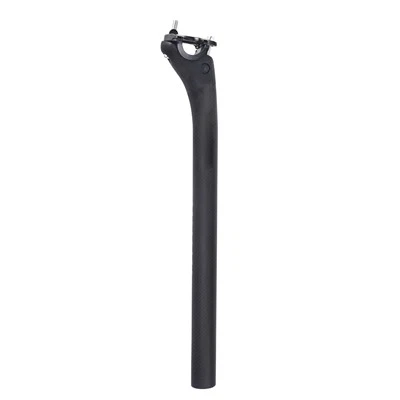
In conclusion, the material of your bike seatpost can have a big impact on your riding experience. Aluminum offers a great balance of cost, weight, and durability. Carbon fiber provides lightweight and vibration – damping benefits. Steel is strong and reliable, while titanium is lightweight and corrosion – resistant. Choose the material that suits your needs and budget, and you’ll be on your way to a more comfortable and enjoyable ride.
Road Bike Handlebar References:
- Cycling magazines and online forums for real – world user experiences and product reviews.
- Industry reports on bike component materials and manufacturing processes.
Hunan Yecheng Technology Co., Ltd.
We’re well-known as one of the leading bike seatpost manufacturers and suppliers in China, also support customized service. Please feel free to buy high quality bike seatpost for sale here from our factory. For more information, contact us now.
Address: Changsha, Hunan Province, China.
E-mail: info@rxlsl.com
WebSite: https://www.rxlsl.com/
