In the realm of environmental science and waste management, the decomposition process is a fundamental natural phenomenon. While one might initially think of small organisms, bacteria, and fungi as key players in decomposition, the role of cranes – not the bird but the heavy – lifting machinery – is an often – overlooked yet crucial aspect, especially in contexts where large – scale waste handling and decomposition – related activities are carried out. Crane

Cranes in Industrial Waste Decomposition
Industrial waste is a major contributor to environmental degradation if not managed properly. Many industries produce waste of various sizes, shapes, and weights, from large metal structures to bulky chemical containers. Cranes play a significant role in moving these large waste items to designated decomposition or recycling sites.
For example, in the metal – recycling industry, large steel beams, old machinery, and discarded vehicles need to be transported from storage areas to shredding and melting facilities. Cranes, with their high lifting capacity, can efficiently move these heavy metal objects. They can pick up a full – sized car and place it onto a conveyor belt leading to a shredder. The shredded metal then undergoes a series of chemical and physical processes to decompose into reusable raw materials. Without cranes, it would be extremely difficult, if not impossible, to handle such large – scale metal waste.
In the construction and demolition industry, cranes are indispensable. Buildings that are being demolished generate a vast amount of waste, including concrete slabs, steel frameworks, and wooden beams. Cranes can lift these heavy components off the demolition site and transport them to recycling yards. At the recycling yard, the concrete can be crushed and used as aggregate for new construction projects, while the steel can be melted down for reuse. This process not only reduces the amount of waste going to landfills but also conserves natural resources.
Cranes in Hazardous Waste Management
Hazardous waste, such as radioactive materials, chemical solvents, and medical waste, requires special handling during decomposition to prevent environmental contamination and protect human health. Cranes are used in these scenarios to move waste containers safely.
For radioactive waste, specialized cranes are designed to handle the containers that store radioactive materials. These cranes are often remotely operated to minimize the risk of radiation exposure to workers. The containers can be heavy and require precise handling. Cranes move them from storage facilities to treatment plants where the radioactive waste undergoes decomposition processes, such as incineration or chemical treatment, to reduce its radioactivity.
In the case of chemical waste, cranes are used to transfer large drums of solvents or other hazardous chemicals to treatment facilities. The chemicals are then treated through various decomposition methods, such as oxidation, hydrolysis, or biological treatment, to break them down into less harmful substances. The stability and strength of cranes ensure that the transfer process is smooth and safe, minimizing the risk of spills or leaks that could have catastrophic environmental consequences.
Cranes in Waste – to – Energy Facilities
Waste – to – energy facilities are becoming increasingly popular as a way to manage waste while generating energy. Cranes are an essential part of the operation in these facilities. They are used to load large amounts of municipal solid waste into the incinerators or anaerobic digesters.
In an incineration – based waste – to – energy plant, the crane picks up massive amounts of waste from the tipping floor and deposits it into the furnace. Once inside the furnace, the waste is burned at high temperatures. During this process, the organic matter in the waste decomposes, releasing energy in the form of heat. This heat is then used to produce steam, which drives a turbine to generate electricity.
In anaerobic digesters, cranes are used to feed organic waste, such as food waste and agricultural residues, into the digester tanks. Inside the tanks, bacteria break down the organic matter in the absence of oxygen, producing biogas, which is a mixture of methane and carbon dioxide. The biogas can be used as a renewable energy source for heating, electricity generation, or as a vehicle fuel. The efficient operation of cranes in waste – to – energy facilities ensures a continuous supply of waste for decomposition, maximizing the energy output.
Cranes’ Contribution to the Efficiency of Decomposition Processes
One of the key advantages of using cranes in the decomposition process is the improvement in efficiency. Manual handling of large waste items would be extremely time – consuming and labor – intensive. Cranes can move multiple tons of waste in a single lift, significantly reducing the time required to transport waste to decomposition sites. This is particularly important in industries where large volumes of waste are generated regularly, such as manufacturing and mining.
Moreover, cranes can operate continuously for long periods, especially when properly maintained. They can work under various environmental conditions, including extreme temperatures and harsh weather. This allows the decomposition process to proceed smoothly without interruptions due to the limitations of human labor.
In addition, the precision of cranes is beneficial. They can accurately place waste items in the right locations, whether it is into a treatment vessel or onto a conveyer belt. This precision reduces the risk of damage to the waste or the equipment involved in the decomposition process, ensuring a more efficient overall operation.
How a Crane Supplier Can Enhance Decomposition Activities
As a crane supplier, our role is to provide high – quality cranes that are specifically designed to meet the diverse needs of the decomposition process. We offer a wide range of cranes, including overhead cranes for indoor waste handling in recycling facilities, gantry cranes for outdoor use in large construction and demolition sites, and mobile cranes for more flexible waste transfer operations.
Our cranes are built with advanced safety features to ensure the well – being of workers involved in the waste handling process. For example, they are equipped with overload protection systems, anti – collision devices, and reliable braking systems. These features are especially important when handling hazardous waste or working in complex industrial environments.
We also provide comprehensive after – sales services, including maintenance, repairs, and operator training. Regular maintenance of the cranes ensures their optimal performance, reducing the risk of breakdowns that could disrupt the decomposition process. Our operator training programs ensure that the crane operators are well – trained in using the equipment safely and efficiently, maximizing the productivity of the waste handling operations.
Conclusion
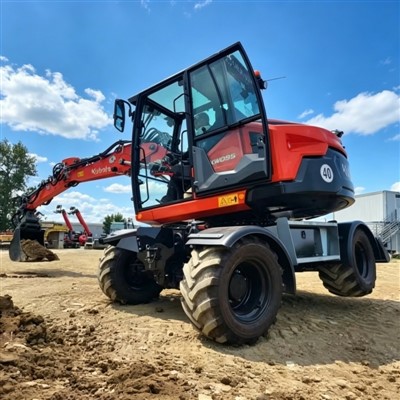
In conclusion, cranes play a vital role in the decomposition process, whether it is in industrial waste management, hazardous waste handling, or waste – to – energy conversion. They contribute to the efficiency, safety, and overall success of these processes. As a crane supplier, we are committed to providing the best equipment and services to support businesses in their waste management and decomposition activities.
Wheel Loaders If your business is involved in any waste – related operations and you are in need of a reliable crane solution, we are here to assist you. Whether you require a crane for a small – scale recycling project or a large – scale industrial waste management facility, we can work with you to find the most suitable equipment and configuration. Don’t hesitate to reach out and start a conversation with us about your crane requirements for efficient decomposition processes.
References
- "Industrial Waste Management Handbook" by Peter Rose
- "Hazardous Waste Treatment Technologies" by George Tchobanoglous and Franklin H. Colombo
- "Waste – to – Energy Conversion: Principles, Technologies, and Applications" by Thomas A. Murphy
Shandong Xinyang Special Purpose Vehicle Manufacturing Co., Ltd.
As one of the most professional crane manufacturers and suppliers in China, we’re featured by quality products and good price. Please rest assured to buy cheap crane made in China here from our factory. Contact us for more details.
Address: Quanpu Industrial Park, Liangshan County, Jining City, Shandong Province.
E-mail: ensonzhouau@gmail.com
WebSite: https://www.trustmytruck.com/
