Hey there! I’m a supplier of combing machines, and I often get asked this question: "How many workers are needed to operate a combing machine?" Well, let’s dive right into it and break it down. Combing Machine

First off, it depends on the type of combing machine we’re talking about. There are different models out there, each with its own level of automation. In the old – school days, combing machines were a lot more hands – on. You’d need a fair number of workers to keep things running smoothly.
For a basic, less automated combing machine, you might need at least 3 – 4 workers. One worker would be responsible for loading the raw material onto the machine. This is a crucial step because the quality of the input can greatly affect the output. You need someone who knows how to handle the fibers properly, making sure they’re fed into the machine in an orderly manner. If the fibers are jumbled or not loaded correctly, it can cause all sorts of problems like uneven combing or even machine breakdowns.
Another worker would be in charge of monitoring the machine’s operation. They’d keep an eye on the speed, the tension of the fibers, and the overall performance of the machine. This person needs to be quick on their feet and able to spot any issues right away. For example, if the combing process seems to be going too slow or if there’s an unusual noise coming from the machine, they need to stop the operation and figure out what’s wrong.
A third worker could be focused on the output. They’d collect the combed fibers, check for quality, and make sure they’re properly packaged. Quality control is a big deal in the textile industry. You don’t want to send out sub – standard products to your customers. So, this worker has to be really detail – oriented.
In some cases, you might even need a fourth worker to do some minor maintenance tasks during the operation. This could include things like oiling the machine parts or tightening loose screws. It’s important to keep the machine in good working condition to avoid any major breakdowns.
But things have changed a lot in recent years. With the advancement of technology, we now have highly automated combing machines. These machines are a game – changer when it comes to labor requirements.
For a state – of – the – art automated combing machine, you might only need 1 – 2 workers. The automated loading system takes care of feeding the raw material into the machine. It’s programmed to do it in a precise and efficient way, so there’s no need for a dedicated worker to stand there and load it manually.
The monitoring part is also much easier. These machines come with advanced sensors and control systems. They can detect any problems automatically and even send alerts to the operator. So, one worker can sit at a control panel and keep an eye on multiple machines at the same time. They just need to be able to understand the data that the machine is sending and take appropriate action if needed.
The quality control of the output is also integrated into the machine. The automated system can detect any defects in the combed fibers and separate them from the good ones. So, the worker in charge of the output mainly just has to collect the final product and make sure it’s ready for shipping.
There are also some other factors that can influence the number of workers needed. The production volume is a big one. If you’re running a high – volume production line, you might need a few more workers to keep up with the pace. Even with an automated machine, there’s still some manual handling involved, like moving the finished products to the storage area.
The complexity of the combing process also matters. If you’re working with special types of fibers or if you need to achieve a very specific combing effect, it might require more hands – on work. You might need an extra worker or two to make some adjustments during the process.
The skill level of the workers is another important factor. Highly skilled workers can handle multiple tasks at once. For example, a skilled worker might be able to load the machine, monitor its operation, and do some basic maintenance all at the same time. On the other hand, if you have less skilled workers, you might need to assign them to single tasks to ensure the quality of the work.
Now, I know you might be thinking about the cost – benefit analysis. Hiring more workers means higher labor costs, but it also means more hands on deck to ensure the smooth operation of the machine. With automated machines, the initial investment is higher, but the long – term labor savings can be significant.
If you’re in the market for a combing machine, it’s important to think about your specific needs. Consider your production volume, the type of fibers you’re working with, and your budget for labor. We, as a combing machine supplier, can offer a range of options to suit different requirements.
Whether you need a more traditional machine that might require a few extra workers or a cutting – edge automated machine that can run with minimal labor, we’ve got you covered. Our team of experts can help you choose the right machine for your business and also give you advice on how many workers you’ll realistically need to operate it.
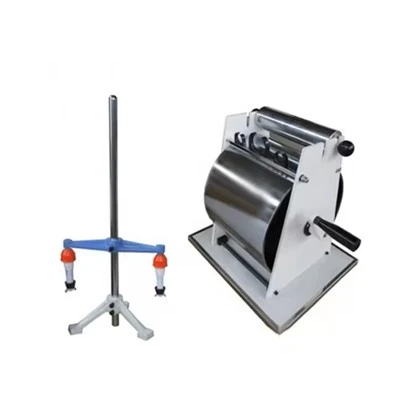
So, if you’re interested in learning more about our combing machines, or if you have any questions about the labor requirements, don’t hesitate to reach out. We’re here to help you make the best decision for your business and get your production up and running smoothly.
Blow Room Machine References:
- Textile Machinery Handbook: Covers general information about combing machines and their operation.
- Industry reports on textile manufacturing automation trends.
Shandong Hongye Machinery Co., Ltd.
Shandong Hongye Machinery Co., Ltd. is one of the most professional combing machine manufacturers and suppliers in China, featured by quality products and low price. Please rest assured to buy advanced combing machine in stock here and get quotation from our factory. Also, 1 year warranty is available.
Address: Room 1104, Building No. 2, Haier Yunjie, No. 99 Chongqing South Road, Qingdao, China
E-mail: sales@seavincn.com
WebSite: https://www.sdhymachinery.com/
