Coiled spring pins are essential components in various industries, known for their reliability and versatility. As a seasoned coiled spring pins supplier, I’ve witnessed firsthand the importance of proper lubrication in ensuring the optimal performance and longevity of these pins. In this blog post, I’ll share some valuable insights on how to lubricate coiled spring pins effectively. Coiled Spring Pins

Understanding the Importance of Lubrication
Before delving into the lubrication process, it’s crucial to understand why lubrication is so important for coiled spring pins. Lubrication serves several key purposes:
- Reducing Friction: Coiled spring pins often operate in tight-fitting applications where friction can cause wear and tear. Lubrication helps to reduce friction between the pin and the mating surfaces, minimizing wear and extending the lifespan of the pin.
- Preventing Corrosion: Many coiled spring pins are made from metal, which is susceptible to corrosion. Lubrication acts as a barrier, protecting the pin from moisture and other corrosive elements, thus preventing rust and corrosion.
- Improving Assembly and Disassembly: Lubrication makes it easier to insert and remove coiled spring pins during assembly and disassembly processes. This can save time and effort, especially in high-volume manufacturing environments.
- Enhancing Performance: By reducing friction and preventing corrosion, lubrication can improve the overall performance of coiled spring pins. This can lead to smoother operation, better functionality, and increased reliability in the application.
Selecting the Right Lubricant
Choosing the appropriate lubricant is crucial for effective lubrication of coiled spring pins. Here are some factors to consider when selecting a lubricant:
- Compatibility: The lubricant should be compatible with the material of the coiled spring pin and the mating surfaces. Different materials may require different types of lubricants to ensure optimal performance and prevent damage.
- Viscosity: The viscosity of the lubricant refers to its resistance to flow. For coiled spring pins, a lubricant with the appropriate viscosity is needed to provide adequate lubrication without being too thick or too thin. In general, a medium-viscosity lubricant is suitable for most applications.
- Temperature Range: Consider the operating temperature range of the application. Some lubricants may break down or lose their effectiveness at high or low temperatures. Choose a lubricant that can withstand the temperature conditions of the application.
- Environmental Conditions: If the coiled spring pins are exposed to harsh environmental conditions, such as moisture, dirt, or chemicals, select a lubricant that offers protection against these elements. For example, a waterproof or corrosion-resistant lubricant may be required.
There are several types of lubricants commonly used for coiled spring pins, including:
- Mineral Oil: Mineral oil is a widely used lubricant that offers good lubrication properties and is relatively inexpensive. It is suitable for many general-purpose applications.
- Synthetic Oil: Synthetic oils are formulated to provide superior performance and protection compared to mineral oils. They offer better resistance to high temperatures, oxidation, and wear, making them ideal for demanding applications.
- Grease: Grease is a semi-solid lubricant that consists of oil and a thickening agent. It provides excellent adhesion and can stay in place for longer periods, making it suitable for applications where continuous lubrication is required.
- Dry Lubricants: Dry lubricants, such as graphite or PTFE (polytetrafluoroethylene), are used in applications where a clean and dry lubrication is required. They offer low friction and good wear resistance without attracting dirt and debris.
Lubrication Methods
Once you have selected the appropriate lubricant, it’s time to apply it to the coiled spring pins. Here are some common lubrication methods:
- Dipping: Dipping the coiled spring pins into a container of lubricant is a simple and effective way to apply lubrication. Ensure that the pins are fully submerged in the lubricant to ensure complete coverage. After dipping, allow the excess lubricant to drain off before use.
- Brushing: Brushing the lubricant onto the coiled spring pins can provide more precise application, especially in areas where dipping may not be practical. Use a clean, soft brush to apply a thin, even layer of lubricant to the surface of the pins.
- Spraying: Spraying the lubricant onto the coiled spring pins is a quick and efficient method, especially for large quantities of pins. Use a spray bottle or a lubricant dispenser to apply a fine mist of lubricant evenly over the pins. Make sure to cover all surfaces of the pins.
- Automated Lubrication Systems: In high-volume manufacturing environments, automated lubrication systems can be used to apply lubricant to the coiled spring pins. These systems can provide consistent and precise lubrication, ensuring optimal performance and efficiency.
Lubrication Frequency
The frequency of lubrication depends on several factors, including the application, operating conditions, and the type of lubricant used. In general, it’s recommended to lubricate coiled spring pins regularly to maintain their performance and longevity. Here are some guidelines to help you determine the appropriate lubrication frequency:
- Light-Duty Applications: For applications with low loads and minimal operating hours, lubrication may be required less frequently, such as once every few months or even once a year.
- Medium-Duty Applications: In applications with moderate loads and regular operating hours, lubrication should be performed every few weeks or months, depending on the specific requirements of the application.
- Heavy-Duty Applications: For applications with high loads, continuous operation, or harsh environmental conditions, lubrication may be required more frequently, such as weekly or even daily.
It’s important to monitor the performance of the coiled spring pins regularly and adjust the lubrication frequency as needed. Signs of inadequate lubrication may include increased friction, noise, wear, or corrosion. If you notice any of these signs, it’s important to lubricate the pins immediately to prevent further damage.
Best Practices for Lubrication
To ensure the effectiveness of the lubrication process and the optimal performance of the coiled spring pins, here are some best practices to follow:
- Clean the Pins: Before lubricating the coiled spring pins, make sure they are clean and free of dirt, debris, and old lubricant. Use a suitable cleaning agent and a clean cloth or brush to remove any contaminants from the surface of the pins.
- Apply the Right Amount of Lubricant: Applying too much lubricant can cause excess buildup, which can attract dirt and debris and lead to performance issues. On the other hand, applying too little lubricant may not provide adequate protection. Follow the manufacturer’s recommendations or guidelines to determine the appropriate amount of lubricant to apply.
- Reapply Lubricant Regularly: As mentioned earlier, regular lubrication is essential for maintaining the performance and longevity of the coiled spring pins. Make sure to schedule regular lubrication intervals and stick to them.
- Store the Pins Properly: When not in use, store the coiled spring pins in a clean, dry place to prevent corrosion and damage. Consider using a storage container or a protective coating to further protect the pins.
- Train Your Staff: If you have employees involved in the lubrication process, make sure they are properly trained on the correct lubrication methods and best practices. This can help to ensure consistent and effective lubrication and prevent errors or accidents.
Conclusion
Proper lubrication is essential for the optimal performance and longevity of coiled spring pins. By understanding the importance of lubrication, selecting the right lubricant, using the appropriate lubrication methods, and following best practices, you can ensure that your coiled spring pins operate smoothly and reliably in your applications.
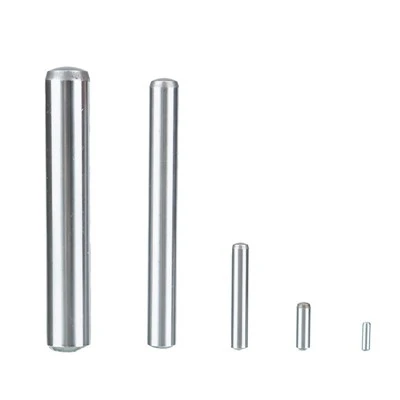
As a trusted coiled spring pins supplier, I’m committed to providing high-quality products and valuable technical support to our customers. If you have any questions about lubricating coiled spring pins or need assistance in selecting the right lubricant for your application, please don’t hesitate to contact us. We’d be happy to help you make the best decision for your needs.
Pins Let’s work together to ensure the success of your projects and the performance of your equipment. Contact us today to discuss your coiled spring pins requirements and start a partnership that will drive your business forward.
References
- Machinery’s Handbook, 31st Edition
- ASM Handbook, Volume 18: Friction, Lubrication, and Wear Technology
- Lubrication Fundamentals, Second Edition by John W. Murphy
Anhui Pins Metal Products Co., Ltd.
With abundant experience, we are one of the most professional coiled spring pins manufacturers and suppliers in China. Please rest assured to buy high quality coiled spring pins made in China here from our factory. For custom service and OEM&ODM service, contact us now.
Address: No. 381 Yangqiao Road, Quanjiao County, Chuzhou City, Anhui Province. Postal Code:239500
E-mail: info@chn-pins.com
WebSite: https://www.chn-pins.com/
