If you’ve ever worked in industrial recycling, scrap processing, demolition, or even heavy manufacturing, you know that not all shears are created equal. Walk into any job site, and you’ll see a mix of bolt cutters, sheet metal shears, hydraulic bar shears, and yes, alligator shears. As a supplier focused exclusively on alligator shears, I get asked this question at least three times a week: “What makes your product different from every other shear out there?” The answer isn’t just about what alligator shears do—it’s about how they’re built, what they’re designed to handle, and why using the wrong shear for the job can cost you time, money, and even safety. Let’s break this down without the sales jargon. Alligator Shears
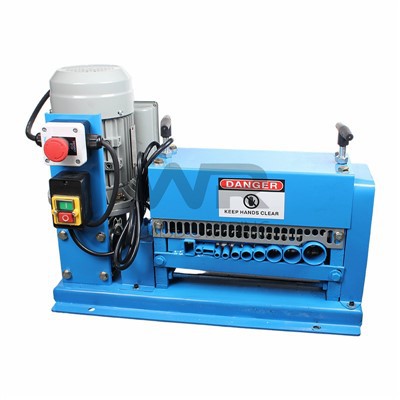
First, let’s get clear on what we’re talking about when we say “alligator shears.” Unlike other shears that often look like oversized pliers or straight-blade cutters, alligator shears get their name from their unique jaw design—think of the snap of an alligator’s mouth, where both jaws close with a scissor-like, overlapping motion that locks onto material instead of just slicing through it. That’s the core difference, but there’s more to it than just the shape.
Let’s start with the most common alternative: bolt cutters. You’ve probably used these for small jobs, like cutting a padlock or a thin steel wire. Bolt cutters are manual (or sometimes light pneumatic) tools with two long handles that multiply your force to squeeze blades together. Here’s the problem: bolt cutters top out at cutting material around ½ inch thick for steel. Try cutting a 1-inch steel pipe, a thick rebar bundle, or even a piece of heavy plate with bolt cutters, and you’ll not only bend the blades (I’ve seen this more times than I can count) but put yourself at risk of slipping—resulting in a cut or a thrown piece of material. Alligator shears, by contrast, are hydraulic or electric-powered, designed to handle materials up to 12 inches thick in some models. That’s not a tiny upgrade; that’s a shift from small, manual cutting to heavy-duty industrial processing.
Next, let’s talk about sheet metal shears. These are the tools you’d use in a metal fabrication shop, designed to slice through thin, flat sheet metal cleanly without bending or warping it. Sheet metal shears have straight, sharp blades that work in a linear motion, slicing like a knife through butter. But try using a sheet metal shear on a curved steel I-beam, a stack of scrap car bodies, or even a thick aluminum extrusion, and it’s useless. The blades can’t get a proper grip on irregular shapes, and the linear motion can’t generate enough force to bend or cut through dense, non-flat material. Alligator shears, on the other hand, have interchangeable jaws—some designed for straight cuts, some for curved, some for tearing through bundles of wire or even cast iron. Their jaw design wraps around material, so they don’t need a flat surface; they can grab onto any shape, no matter how uneven. That makes them versatile for both flat and irregular scrap, which is why 90% of scrap yards I work with switch to alligator shears once they outgrow sheet metal models.
Then there’s hydraulic bar shears, another common industrial option. These are larger, often mounted on trucks or fixed bases, with a single moving blade that closes against a stationary blade, cutting material like a guillotine. Hydraulic bar shears are powerful, but they have a big limitation: they’re designed for straight cuts through uniform, bar-shaped material. Try using a hydraulic bar shear on a pile of mixed scrap—steel, aluminum, copper, plastic, even wood scrap embedded in metal—and it will jam. The single, flat blade can’t adapt to irregular shapes, so you end up wasting time picking through scrap to separate it before cutting, or stopping to unjam the shear every few minutes. Alligator shears, with their overlapping, gripping jaws, can handle mixed scrap in one go. They don’t need pre-sorted material, which cuts processing time by 30-40% for most of our customers. I remember one scrap yard client in Ohio who was spending 8 hours a day sorting scrap just to use their old bar shear. After switching to our alligator shears, they cut that sorting time to 5 hours and increased their daily output by 25 tons. That’s a concrete example of the difference.
Safety is another big area where alligator shears stand apart. A lot of other shears require you to apply force or position the material perfectly to get a cut. With bolt cutters, you’re pulling on long handles, and if the material slips, it can swing back and hit you. Sheet metal shears have exposed blades, so there’s a risk of contact if you’re not careful. Hydraulic bar shears, while powerful, often have limited visibility around the blades, so you might accidentally place a hand too close. Alligator shears, especially the mounted models we supply, have fully enclosed jaws that only open when you activate the trigger, and they lock in place once closed. That means there’s no chance of the material slipping out, and your hands stay a safe distance from the cutting area. We’ve had customers tell us that their injury rates dropped by 70% after switching to alligator shears, which is a huge win for any operation.
Durability is another key difference. Other shears, especially manual ones, are built for light use. Their blades are made from softer steel to keep the cost down, but that means they dull quickly, even with moderate use. Alligator shears are built from high-strength alloy steel, designed to handle repeated heavy cuts without dulling or bending. The jaws are heat-treated, so they can withstand the pressure of cutting dense metal, concrete reinforcement, even cast iron. I’ve had a customer use one of our alligator shears for 5 years on a daily basis, and the only maintenance they’ve needed is a blade sharpening once a year. Compare that to the bolt cutters they were using before, which needed new blades every 3 months—over that 5 years, they saved thousands of dollars on replacement parts alone.
Versatility is where alligator shears really shine. A lot of other shears are single-use tools: you use a sheet metal shear only for sheet metal, a bar shear only for bars. Alligator shears can be fitted with different jaw attachments for different jobs. Need to cut wire bundles? There’s a jaw for that. Need to shear steel beams? Another jaw. Need to process scrap into smaller sizes for recycling? A specialized processing jaw. Some of our customers use the same alligator shear for demolition work (cutting through wall studs and metal framing), scrap processing (shearing car bodies and appliances), and even manufacturing (cutting raw steel for fabrication). That means one tool does the job of three or four, cutting down on equipment costs and training time—no need to teach your team to use four different shears when they can learn one.
I want to be clear: I’m not saying alligator shears are the right tool for every job. If you’re a small hobbyist working on a single padlock, bolt cutters are cheaper and easier to grab. If you’re a fabrication shop cutting thin sheet metal all day, a sheet metal shear is the most efficient option. But if you’re running an industrial operation that deals with heavy, irregular, or mixed materials—scrap yards, demolition companies, construction sites, heavy manufacturing—alligator shears are a game-changer. The difference isn’t just in the name; it’s in the design, the power, the safety features, and the versatility that other shears can’t match.
Over the years, I’ve worked with hundreds of operations to match them with the right alligator shear model for their specific needs. I’ve seen teams go from struggling to keep up with demand to processing 20% more material in the same shift, with fewer injuries and lower costs. That’s the impact of choosing a shear that’s built for your work, not the other way around.

If you’re ready to stop wasting time and money on shears that can’t keep up with your industrial needs, I encourage you to reach out to discuss your requirements. Whether you’re processing scrap, demolishing structures, or manufacturing heavy metal parts, we can help you find the right alligator shear to improve efficiency, safety, and your bottom line.
PCB Separating Machines References:
- Industrial Shears: Design, Application, and Performance Standards, International Organization for Standardization, 2021.
- Scrap Processing Equipment Efficiency Report, North American Scrap Recycling Association, 2022.
- Occupational Safety in Heavy Machinery Operations, U.S. Department of Labor, Occupational Safety and Health Administration, 2023.
- Alloy Steel Applications in Heavy Industrial Tools, Steel Industry Association, 2020.
Xi’an Wisdom Ring Machinery Co., Ltd.
As one of the leading alligator shears manufacturers and suppliers in China, we warmly welcome you to buy advanced alligator shears for sale here from our factory. All customized machines are with high quality and competitive price. Contact us for quotation.
Address:
E-mail: copperrecycling@wisdomringmachinery.com
WebSite: https://www.wisdomringmachinery.com/
